
Accountability
When responsibility feels threatening, the reflex isn’t reflection — it’s deflection .
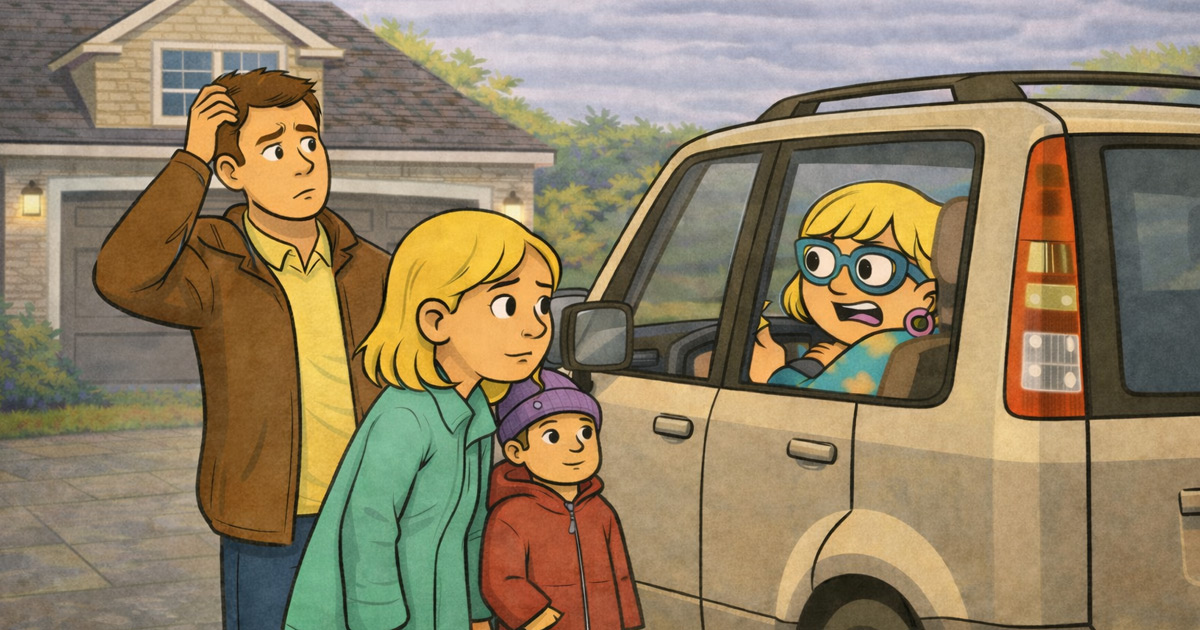
“The situation was mechanical. The reaction wasn’t.”
Can Narcy Beat the Storm Home?
It was supposed to be simple.
A short overnight visit with family in a neighboring city. A morning drive home before the weather turned.
And then—the car didn’t start. A mechanical problem — the kind that happens to anyone.
From the outside, it looked ordinary. From the inside, something else was already unfolding.
Outside Looking In
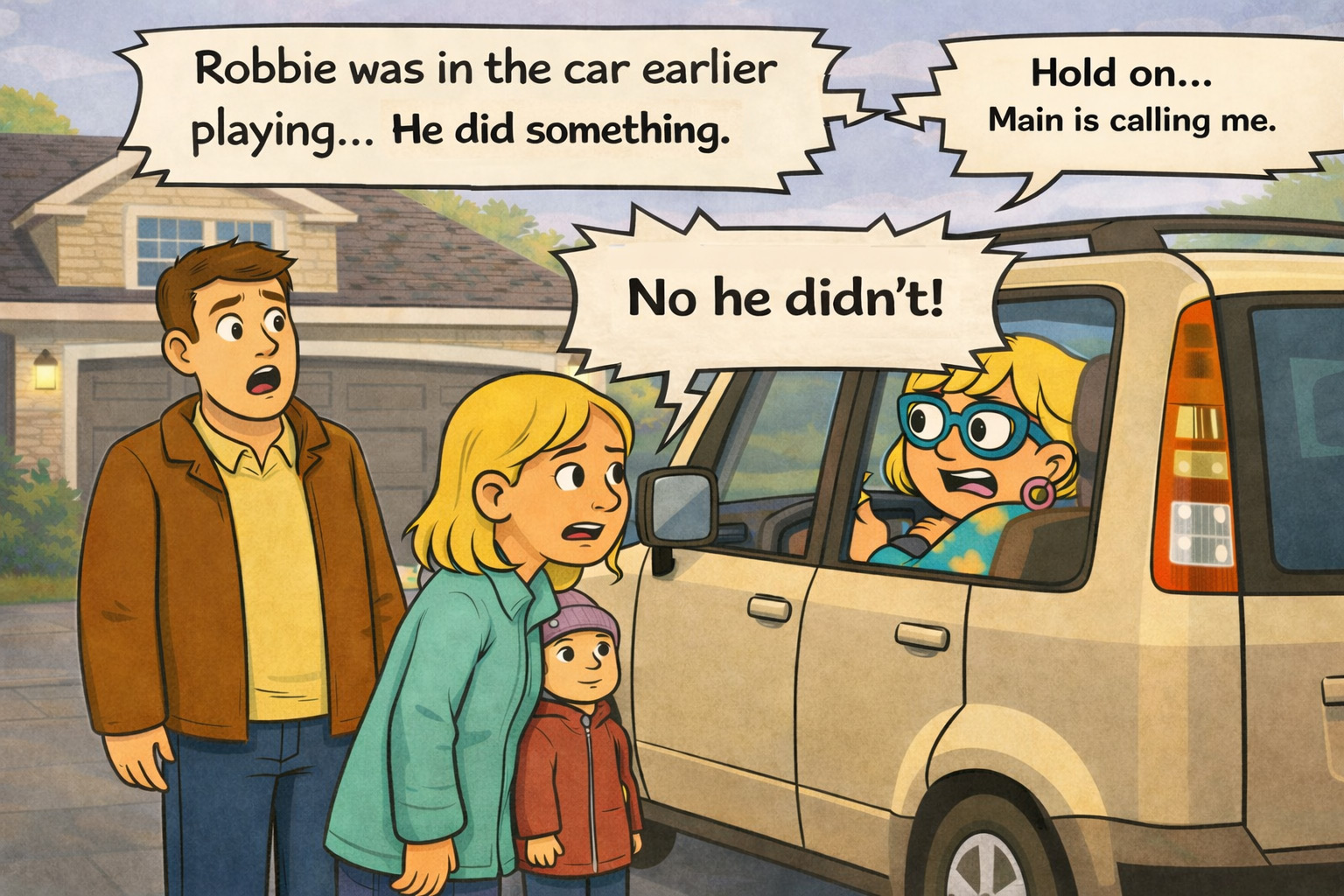
From the outside, nothing unusual happened. A common mechanical issue appeared. A simple fix resolved it. No one was being blamed. The moment passed.
Inside Looking Out
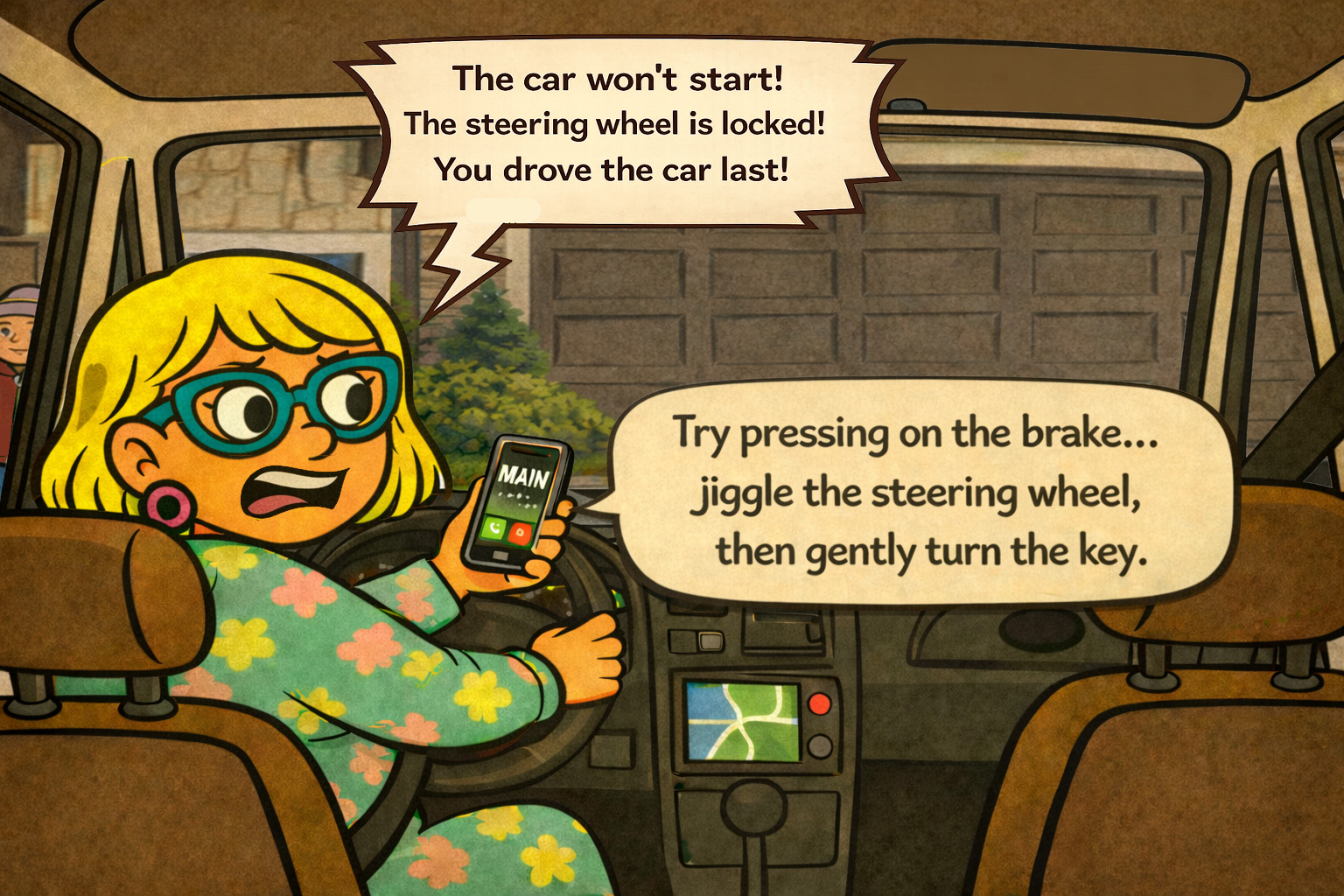
Inside the moment, the interpretation was different. Time pressure, uncertainty, and the possibility of being at fault triggered an automatic response. Before the issue could even be understood, responsibility had to go somewhere else.
What’s Happening Here
This pattern isn’t about avoiding responsibility after the fact. It’s about preventing responsibility from ever landing in the first place.
For a brief moment, the situation felt like it might involve blame. That perception alone was enough to activate a reflexive response — even though no blame was coming from the outside looking in.
Once the problem was solved, the internal threat disappeared. There was nothing left to process, revisit, or acknowledge. The system returned to calm as if nothing had happened.
In a nut shell...
- Pressure or urgency narrows thinking
- A neutral problem is perceived as personal exposure
- Responsibility is redirected quickly and confidently
- Once the issue resolves, the blame evaporates
What’s important here is proportionality. Not every moment of deflection is abuse, and not every avoidance of responsibility is intentional. Single incidents can happen under stress, urgency, or uncertainty. Patterns reveal themselves through repetition — especially when accountability is consistently redirected and never revisited once the tension passes.
In moments like this, responsibility isn’t avoided because it’s deserved or undeserved, but because the possibility of blame feels intolerable. The reflex serves one purpose: to restore internal calm as quickly as possible. Once the threat disappears, so does the need to process what happened.
What Didn’t Happen
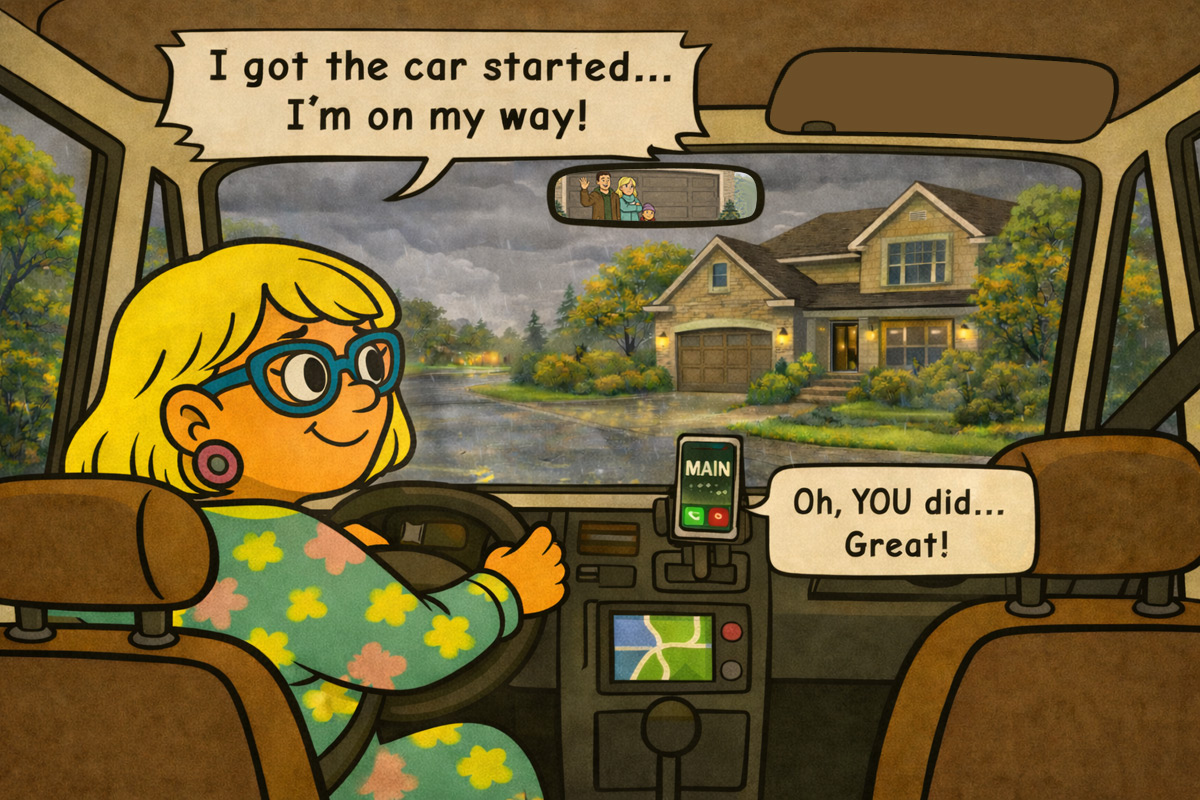
Once the car started, the moment ended.
There was no escalation — and that mattered. Not because blame had been sorted out, but because it no longer needed to be.
The earlier assumptions faded without discussion, reflection, or apology. They weren’t revisited — not out of intent, but because the original goal had already been met.
The situation was never about assigning fault. It was about getting home.
Recognition was enough. The reflex appeared, was noticed, and then lost its fuel. The problem resolved. The tension dissolved.
And because it was seen — not fed — the story ended quietly.
From the Outside Looking In
From the outside, the reflex makes sense.
If someone has spent years feeling blamed — fairly or not — the nervous system doesn’t wait for confirmation. It learns to anticipate exposure before it arrives.
Responsibility stops feeling like a neutral concept and starts feeling like a threat. Not because the person is always at fault, but because fault has come to feel inevitable.
In that state, deflection isn’t strategy so much as self-protection; a knee-jerk tactic attempting to move pressure away before it settles.
The irony is that no blame was actually needed here. The situation didn’t require defense. The car simply needed to start.
But reflexes don’t wait for context. They fire from memory — not the moment.
Once the problem resolved, the threat disappeared. And with it, the need to examine what had just happened.
From the outside, it wasn’t about responsibility at all. It was about starting a car.
"When you realize the effort was about calming someone else’s internal state, you stop treating it like a shared problem." — Site Creator