
Jealousy Induction
How Narcy manufactures insecurity when attention drifts away
“When I’m not the focus, I’ll create a reason to be.”
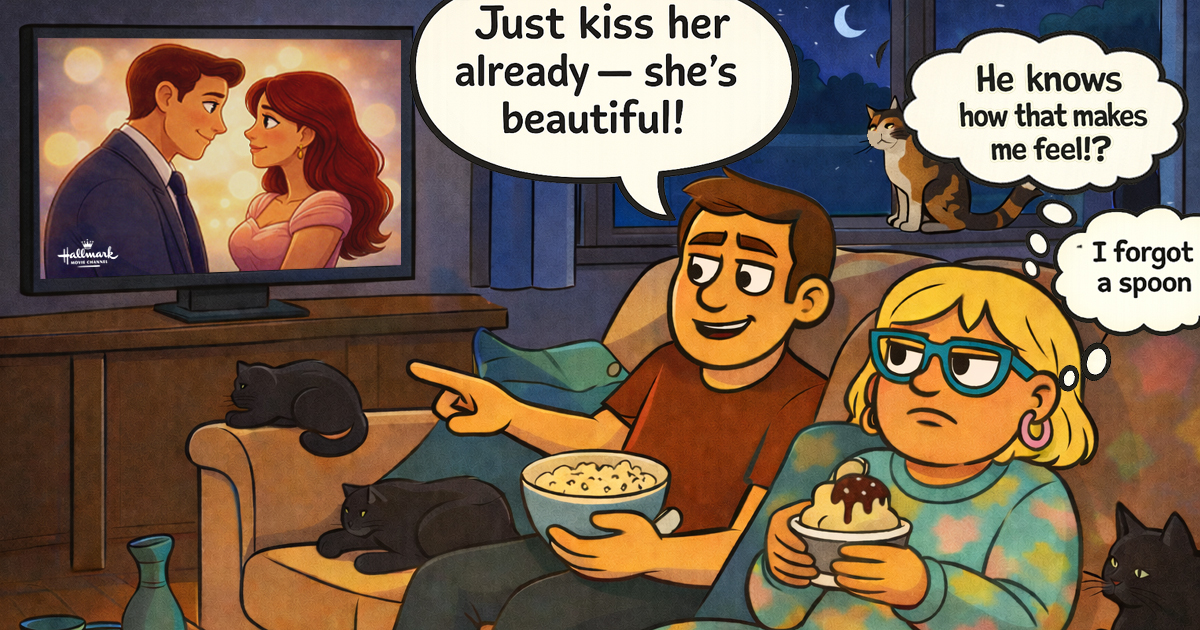
(Jealousy Induction — Backfiring)
What Jealousy Induction Is
Jealousy Induction is a control tactic used when Narcy feels displaced, ignored, or no longer centered — or when she’s already in control and wants more. Rather than reconnecting, cooperating, or assisting, she introduces emotional threat signals designed to pull attention back to herself.
Narcy may not realize the term... but She owns the tactic, and at this point, she believes it is being used on her.
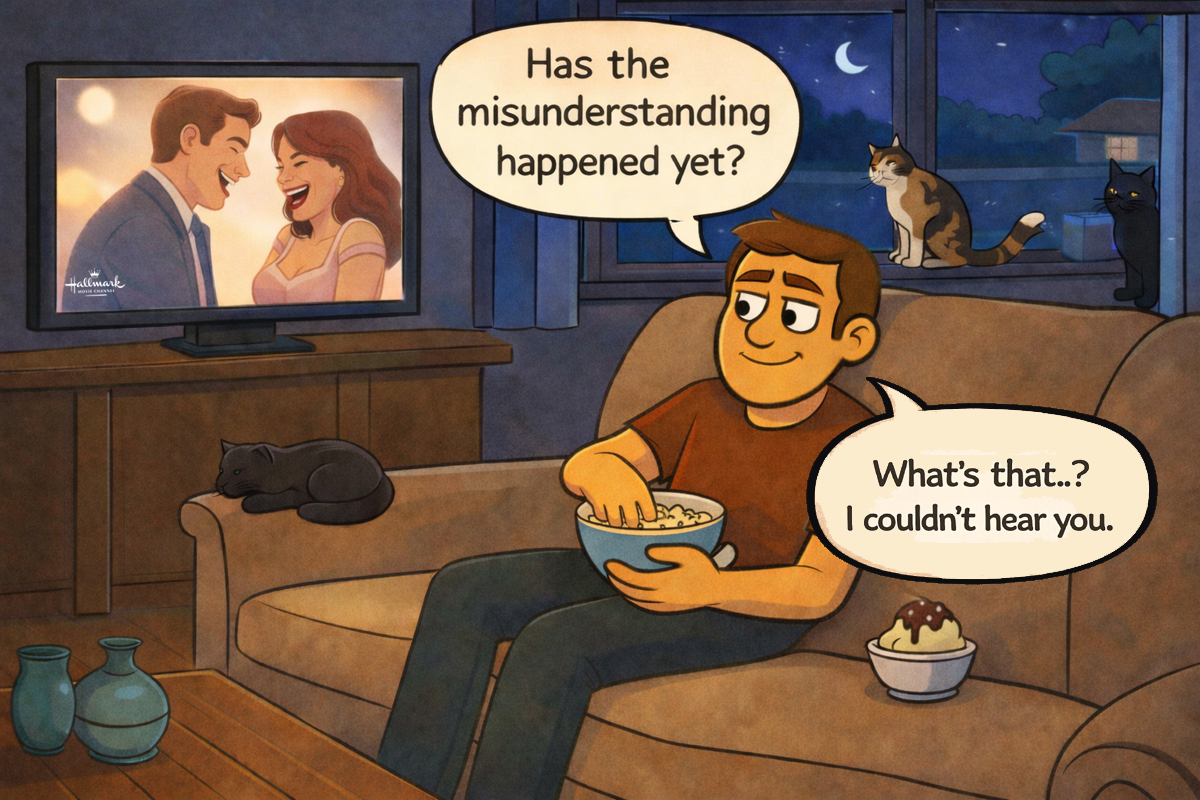
Main Supply remains relaxed and engaged with the movie.
Common Jealousy Induction Tactics
- Flirting with others (overt or implied)
- Referencing past partners or “options”
- Discussing alternatives to the relationship
- Feigning emotional distance or sudden disinterest
- Engaging in emotional cheating
- Using props or distance to provoke suspicion or accusation
None of these require actual betrayal. The emotional reaction — not the behavior itself — is the leverage.
When This Usually Happens
Jealousy Induction often appears when the Main Supply is focused on something that does not include Narcy. Instead of aligning with the moment, Narcy creates emotional disruption .
The result is fractured focus, delayed progress, and a quiet escape from accountability. What feels “innocent” or “unintentional” to Narcy becomes pressure for the Main Supply.
How to Tell When It’s Staged
- Appears specifically when attention shifts away
- Escalates if ignored or unmet
- Stops once attention returns
- Creates ambiguity without resolution
- Provokes emotion rather than conversation
What Narcy Tells Herself
- “I’m just being honest.”
- “I didn’t do anything wrong.”
- “ You’re overreacting .”
- “I can’t help how others respond to me.”
These justifications allow the tactic to continue without guilt, while the impact is quietly transferred to someone else.
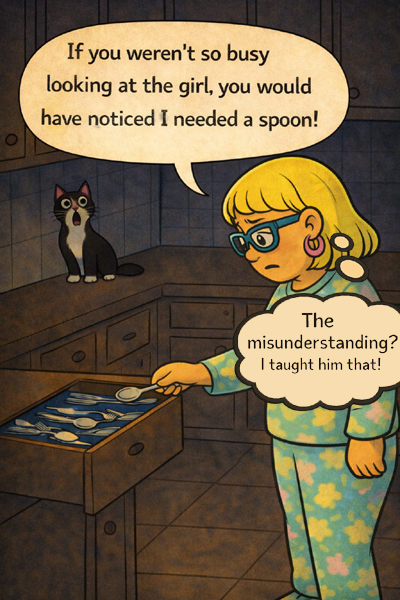
Reaction monitoring — not curiosity — is the goal.

Distance used as a prop.

Narcy continues tracking Main’s earlier reaction to the actress, maintaining comparison rather than engaging in resolution.

After Main apologizes, Narcy bypasses the repair attempt and reframes the interaction.
When watching a Hallmark movie , we always notice a familiar pattern. We know the misunderstanding is coming. We know the interruption will delay the first kiss. We know the misunderstanding will resolve, the goal will be saved, and the movie will end exactly where it’s meant to — with the kiss . You’ve seen the pattern .
Jealousy Induction works the same way — but outside of fiction.
The tactic isn’t about betrayal. It’s about introducing a predictable emotional disruption — then watching how the other person responds.
The difference is this:
- Hallmark uses patterns for comfort.
- Narcy uses patterns for leverage .
Once you recognize the structure, the power of the tactic fades — just like knowing the ending of the movie before it begins.
“What feels like confusion is often someone else managing the emotional temperature.” — Site Creator